
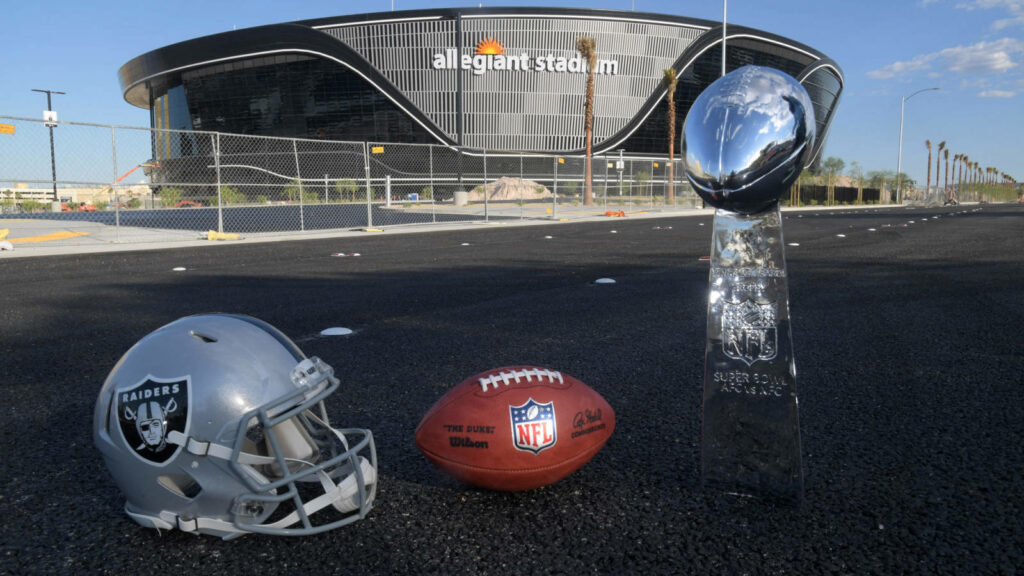
As NFL fans and bettors focus on Super Bowl LX, one trend becomes impossible to ignore: elite teams separate themselves through consistent, situational touchdown production.
Reaching the Super Bowl is no longer just about explosive plays or raw talent; it is about execution in the most critical areas of the field.
Super Bowl teams convert opportunities efficiently, sustain drives, and apply pressure through scoring reliability rather than volatility. For the Las Vegas Raiders, studying how recent Super Bowl participants manufacture touchdowns provides a roadmap for sustainable success.
These teams maximize possessions, protect field position, and maintain discipline when margins are tight. Touchdown production reflects organizational identity, coaching precision, and situational awareness.
As Super Bowl LX approaches, the Raiders’ path forward depends on translating lessons from championship-caliber offenses into repeatable processes.
Red-Zone Efficiency Defines Super Bowl LX Contenders
One of the clearest lessons from Super Bowl LX contenders is the importance of red-zone efficiency.
Teams that consistently reach the postseason convert drives inside the 20-yard line into touchdowns at a higher rate than the league average. Missed opportunities and settling for field goals or empty possessions compound quickly against elite competition.
The Raiders struggle when red-zone execution lacks clarity or decisiveness, allowing defenses to tighten coverage and dictate outcomes.
Super Bowl teams simplify their approach near the goal line. They reduce negative plays, avoid penalties, and design concepts that create high-percentage scoring chances.
The emphasis isn’t simply on creativity but rather on precision. When teams score a touchdown in the red zone, they shift momentum and force opponents into predictable game scripts.
For the Raiders, improving red-zone efficiency means prioritizing situational awareness, spacing discipline, and play sequencing, core elements that consistently define Super Bowl LX offenses.
Defensive Pressure Creates Touchdown Opportunities
Super Bowl LX teams understand that touchdown production does not begin solely on offense. Defensive pressure directly influences scoring by creating shorter fields and disrupting opposing rhythm.
Championship-worthy defenses collapse pockets, force hurried decisions, and limit extended drives. This pressure shortens games and increases offensive efficiency by improving field position.
The Raiders can learn from how elite defenses generate pressure without sacrificing structure. Super Bowl teams build fronts that control the line of scrimmage, allowing coverage units to stay disciplined rather than reactive.
When pressure is consistently applied, offenses lose timing and abandon balanced play-calling. This creates more possessions and additional scoring chances.
Touchdowns often follow defensive disruption, not just explosive offense. For the Raiders, investing in pressure schemes that prioritize containment and control can indirectly elevate touchdown production.
Super Bowl LX contenders prove that complementary football remains the most reliable path to sustained scoring advantages.
Offensive Structure Sustains Touchdown Production
Rather than relying on improvisation, Super Bowl LX teams build offenses around structure, rhythm, and repeatable execution. Touchdown production increases when offensive systems reduce confusion and emphasize timing, spacing, and progression clarity. These teams rarely depend on broken plays or individual brilliance to generate points.
NFL narratives and analysis indicate that successful football franchises benefit from embracing a structure that creates consistency, drive after drive. Super Bowl teams maintain balance, keeping defenses honest while sustaining possession.
Touchdowns emerge when offenses control tempo and dictate matchups. Sustained production reflects preparation rather than spontaneity.
For the Raiders, refining offensive sequencing and situational play-calling strengthens identity and reliability. Super Bowl LX contenders illustrate that touchdowns are built through repetition, discipline, and cohesion, principles that elevate performance over an entire season.
A Clear Blueprint
As the league advances toward Super Bowl LX, the blueprint for sustained touchdown production becomes increasingly clear. Championship teams dominate through efficiency, structure, and discipline rather than volatility. They convert red-zone chances, generate pressure defensively, leverage special teams, and maintain composure under pressure.
For the Raiders, these lessons offer a clear direction forward. Touchdowns reflect organizational alignment, not isolated moments. By prioritizing execution, field position, and situational clarity, the Raiders can close the gap between potential and performance.
Super Bowl LX contenders prove that scoring success is not accidental; it is engineered through preparation, consistency, and trust in the process.
*Top Photo: Kirby Lee-USA TODAY Sports