
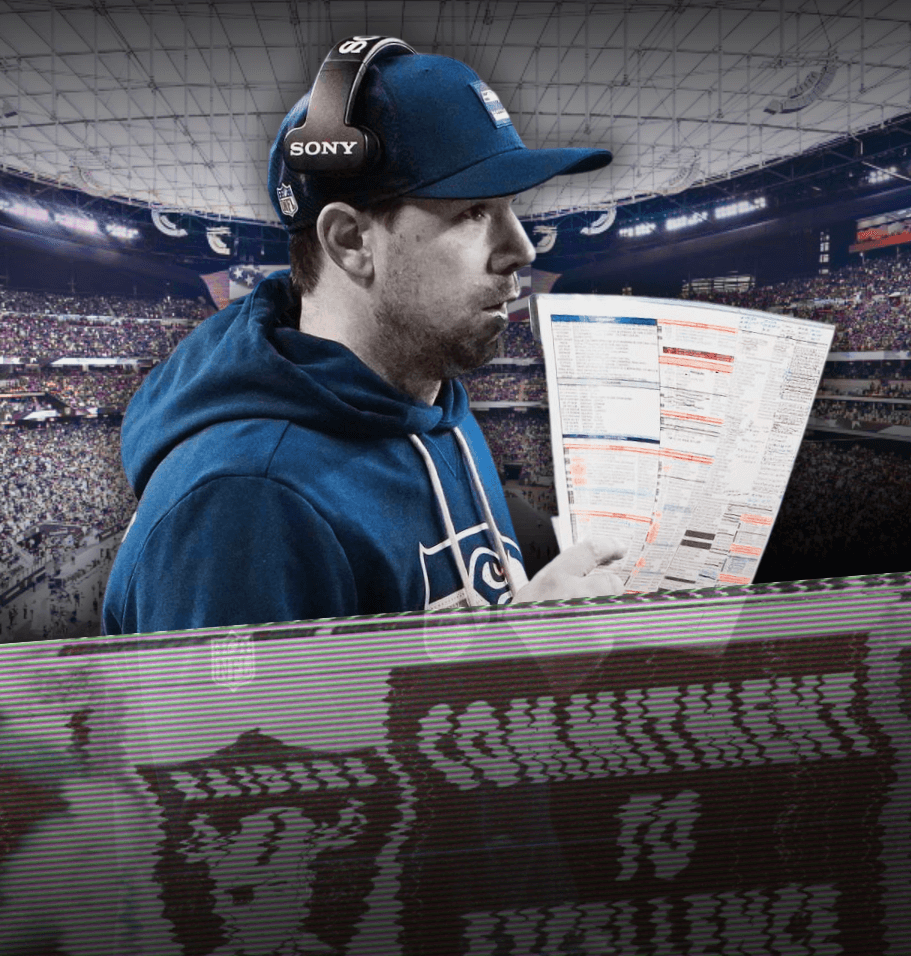
A new chapter begins in Sin City as Klint Kubiak takes over the Las Vegas Raiders with hope, pressure and a franchise reset ahead.
The Raiders have officially ushered in a new era. Just days after helping guide the Seattle Seahawks to a Super Bowl victory as offensive coordinator, Klint Kubiak was named the franchise’s head coach. The announcement, made shortly after Super Bowl LX, signals the Raiders’ commitment to a modern offensive identity. At 38, Kubiak brings youth, pedigree and proven success to a team searching for stability and a path back to contention.
This hire is not just about potential. It is also about results. Kubiak’s 2025 Seahawks offense ranked among the league’s best, blending explosiveness with balance on the way to a championship. For a Raiders team coming off a difficult 3-14 season under Pete Carroll, Kubiak offers a clean slate and a clear vision.
His background includes experience in the Kyle Shanahan coaching tree, along with influences from his father, Gary Kubiak, and his successful offensive systems. The Raiders are betting he can help maximize their young talent and build a more sustainable foundation.
Klint Kubiak’s Pedigree and Play-Calling Mastery
Kubiak’s coaching path reflects steady growth and deep knowledge of offensive structure. After beginning in the college ranks at Texas A&M and Kansas, he entered the NFL with the Denver Broncos from 2016 to 2018. There, he worked under his father, Gary Kubiak, and continued developing his approach to quarterback coaching, including work with players such as Case Keenum.
His time in Minnesota from 2019 to 2021 included a rise to offensive coordinator, where he produced respectable results despite roster and injury challenges. He then spent 2022-23 with the San Francisco 49ers as a passing game specialist, gaining deeper experience in Kyle Shanahan’s system. A mixed but valuable season in New Orleans followed in 2024. The peak came in Seattle in 2025, when his play-calling helped turn the offense into one of the league’s most productive units in points, yards, and efficiency.
Related: Cap space does not mean Raiders should overpay Eric Stokes
Understanding the new Raiders offense…
Kubiak’s offense is a polished extension of the Shanahan-Kubiak tree, one of the NFL’s most respected systems. The foundation is a wide-zone run game designed to stretch defenses horizontally, create cutback lanes and generate explosive plays. He also mixes in gap concepts, inside zone, and pin-and-pull designs to keep the scheme flexible against different fronts.
Motion is a major part of the system, both before and after the snap, to stress defenses and create favorable matchups. Play-action off the run game is another key element, especially on bootlegs and keepers that create cleaner throwing windows. Kubiak also leans on heavier personnel groupings. That includes 12 personnel and 22 personnel to support the run game while using tight ends as versatile receiving options.
Still, the system is not rigid. Kubiak has shown a willingness to adapt to personnel, incorporating yards-after-catch concepts and layered route combinations. In Seattle, that balance showed up in a committed run game, efficient third-down offense and timely downfield shots. For the Raiders, the appeal is clear: a scheme built to create structure, maximize versatility and raise the level of the talent already on the roster.
Assembling a Raiders Strong Staff: Familiarity, Continuity, and Experience
Kubiak wasted little time building his staff, blending trusted allies with internal promotions and veteran additions.
Offensive coordinator Andrew Janocko provides continuity. A veteran coach with stops in Minnesota and Chicago, and most recently as the Seahawks’ quarterbacks coach under Kubiak, Janocko brings strong experience in quarterback development and scheme execution. His background spans quarterbacks, offensive line, wide receivers and quality control roles, giving him a broad view of the offense.
Kubiak is expected to handle the primary play-calling duties, which makes Janocko’s role different from that of a traditional offensive coordinator. Even so, his value should not be overlooked, especially in developing a potential rookie quarterback such as Fernando Mendoza.
More: What exactly are the Raiders getting in Fernando Mendoza?
What about the other side of the ball?
On defense, Kubiak promoted Rob Leonard to defensive coordinator. Leonard, entering his fourth season with the Raiders after serving as defensive line coach and run game coordinator, offers important continuity.
At 38, he is well regarded for developing front-seven talent and building effective run-defense plans. His promotion helps stabilize a unit that struggled in 2025 while preserving familiarity with key players such as Maxx Crosby. Leonard’s aggressive, disciplined approach should complement the offense. His background under coaches such as Mike Macdonald and Brian Flores suggests a defense built on disguised pressures and coverages.
Special teams coordinator Joe DeCamillis rounds out the group with more than three decades of NFL experience. A two-time Super Bowl contributor with Denver and Dallas, DeCamillis brings veteran leadership and a proven track record. His units have consistently performed well in returns, coverage and field position, all of which can swing close games. After time in the college ranks, he returns to the NFL with schemes designed to limit mistakes and create hidden yards.
Taken together, the staff gives the Raiders a nice blend. It’ll be a mix of offensive innovation, defensive continuity and special teams stability. It’s a combination that could support more cohesive growth.
Unlocking Elite Talent: Perfect Fits in Kubiak’s System
The Raiders’ young core aligns well with Kubiak’s vision.
Ashton Jeanty, the dynamic 2025 No. 6 overall pick from Boise State, appears well-suited for a wide-zone running scheme. His vision, burst and cutback ability fit the traits that have powered productive backs in similar systems. Jeanty’s rookie season was uneven behind inconsistent blocking, but his upside remains clear. Kubiak’s emphasis on outside zone, duo concepts and heavier personnel packages could help create cleaner running lanes and put Jeanty at the center of the offense.
Brock Bowers also projects as a strong fit in Kubiak’s system, especially in 12 and 22 personnel. His versatility allows him to contribute as an in-line blocker in the run game and as a run-after-catch threat in the passing game. Bowers’ route running, hands and physicality can create matchup problems on seams, flats and option routes, giving the offense another reliable playmaker.
At quarterback, the Raiders are widely expected to target Indiana’s Mendoza with the No. 1 pick in 2026. Mendoza’s accuracy, processing and mobility make him a natural fit for a play-action-based system. With a strong run game, motion-based concepts and defined reads, he could have a smoother transition to the NFL. If that plan comes together, Mendoza would give Kubiak and offensive coordinator Andrew Janocko a young quarterback with the tools to grow into an efficient franchise starter.
A Trajectory Shift: From Rebuild to Playoff Contender?
The Raiders have long been defined by inconsistency: coaching turnover, schematic shifts and rosters that failed to meet expectations. Kubiak’s arrival offers a chance to change that. His system is designed to be adaptable and to elevate talent rather than depend on perfect personnel. If the Raiders can pair Fernando Mendoza’s arm with Ashton Jeanty’s rushing ability, Brock Bowers’ versatility, and the right complementary weapons, the offense could take a significant step forward.
That optimism extends beyond one side of the ball. Offensive development under Andrew Janocko, combined with Rob Leonard’s defense and a roster that can still be strengthened through the draft and free agency, gives the Raiders a more balanced foundation. With ample salary cap space and a clearer direction, the organization is in a position to build more deliberately. DeCamillis’ experience on special teams adds another layer of stability in close games.
For Raider Nation, this is not proof the turnaround is complete. It is, however, a more calculated step toward building a sustainable identity. The Kubiak era brings renewed energy, a clearer vision and a legitimate reason for optimism. Whether that leads to wins right away remains to be seen, but the Raiders finally appear to be moving with purpose.
*Top Photo: Ramble Illustration/Getty Images