
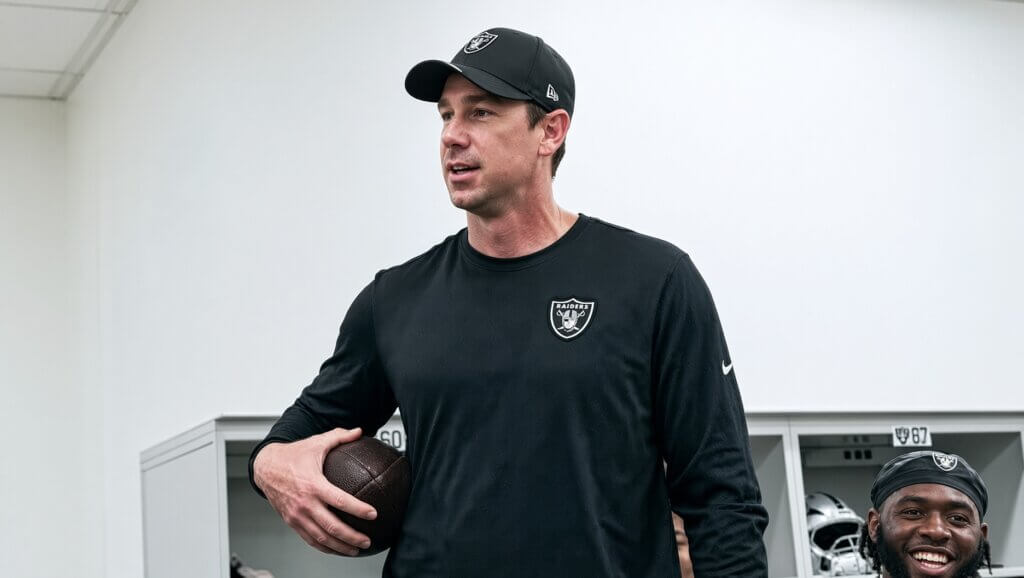
When the Raiders moved to Las Vegas, they landed in the one American city where sports and betting have always gone together. Six seasons later, with the Silver and Black off to a 3-0 start under Klint Kubiak, the betting action around the team is louder than ever, and so is the pressure on the technology behind it. As regulators tighten the rules, bookies and operators are learning that only the best sportsbook software can keep up.
From Oakland to the Betting Capital
For decades, the NFL kept its distance from Las Vegas. That changed in 2020, when the Raiders opened Allegiant Stadium just off the Strip. Since then, the city has hosted the NFL Draft and a Super Bowl, and the league has gone from avoiding sportsbooks to partnering with them.
Nevada has offered legal sports betting since 1949, long before the rest of the country caught on. After the Supreme Court struck down the federal ban in 2018, legal betting spread across the United States. Today, roughly 39 states, plus Washington, D.C., allow it in some form.
For Raiders fans, that means a Sunday at Allegiant often starts with a look at the odds. For the bookies taking those bets, it means a much more complicated job than it used to be.
Why Regulation Is Reshaping Sportsbook Software
The spread of legal betting created a patchwork of rules. Every state writes its own, and they keep changing. Some states allow full mobile wagering, while others limit betting to retail locations. A platform built for one state often can’t serve another without a lot of rework.
The main areas where rules differ include:
- Licensing and operations, set by each state’s gaming commission
- College prop bets, which a growing number of states now restrict or ban
- Advertising, including limits on athlete endorsements, promotional language and required disclosures
Responsible gambling rules are expanding too. More regulators now require operators to file formal plans and offer tools like deposit limits and self-exclusion. These tools need to be built into the platform from day one, not bolted on later.
Game Day Pressure on the Platform
Think about a Raiders home game. Thousands of fans place bets in the hours before kickoff, then keep betting live as the game unfolds. Every one of those wagers has to be checked, logged and settled correctly. Outdated systems simply weren’t built for that load or for today’s compliance demands.
Real-Time Data Logging
Technical standards like GLI-33 set clear requirements for how bets are processed and logged. Regulators expect accurate records on demand, not a scramble to rebuild them after the fact. A platform without real-time logging is asking for trouble during an audit.
Age and Location Checks
Geolocation and identity verification are required in every regulated market. A bettor’s location must be confirmed before a wager is accepted, and age records have to hold up under review. Manual checks create risk that no operator can afford.
Integrity Monitoring
Recent betting scandals across professional and college sports have pushed regulators to demand closer oversight, especially of player props. Good software flags unusual betting patterns early, before a small problem becomes a headline.
Tax Changes Add Another Layer
Taxes are shifting as fast as the rules, and every change hits the software. Illinois now uses a tiered tax that climbs to 40% on revenue above $200 million, plus a per-bet tax that many operators pass on to customers. Maryland, New Jersey and Louisiana have also raised their sportsbook tax rates recently, and more states are expected to follow.
Handling variable tax rates, per-transaction fees and minimum bet limits takes software that can be updated through settings, not a full rebuild. A platform that can’t adjust quickly leaves operators behind every time a rate changes.
What the Best Sportsbook Software Looks Like
A winning football team needs a strong roster at every position. The same goes for a sportsbook platform. These are the features that matter most as regulation keeps moving:
- Automated compliance reporting that adapts to each state’s requirements
- Built-in responsible gambling tools, including deposit limits and self-exclusion tracking
- Real-time fraud and integrity monitoring across every bet type, including player props
- Flexible tax and fee settings that update without custom development
- Integrated age and location checks inside the betting flow
- Audit-ready data logging that meets standards like GLI-33
- Live betting capacity that stays fast when traffic spikes on game day
Just as important is how the platform handles change. New sportsbook bills appear in state legislatures almost every month. Operators should follow gaming commission announcements, watch for tax proposals each session and track advertising updates in every state they serve. Software that adjusts through configuration turns each new rule into a quick update instead of a costly project.
Related: Maybe We Were Wrong About the Raiders
Staying Ahead of the Game
The Raiders’ strong start shows what happens when preparation meets opportunity. The same lesson applies off the field. Regulation isn’t slowing down, and operators who wait to upgrade will always be playing catch-up.
The smart move is choosing the best sportsbook software now, built to handle rules that don’t even exist yet. Pay Per Head gives bookies the infrastructure to stay ahead without taking bets or processing transactions themselves. In a city built on betting and a season full of surprises, that kind of readiness is the real edge.
*Top Photo: Ramble Illustration/Getty Images