
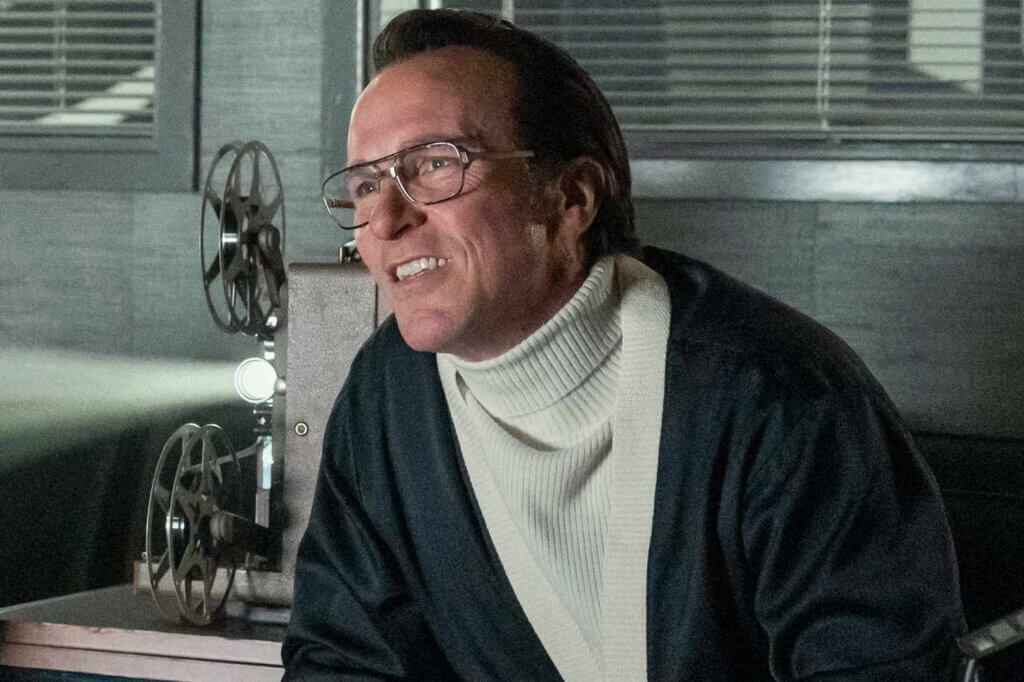
Las Vegas Raiders owner Mark Davis takes issue with the new Madden movie’s portrayal of Al Davis. Is Hollywood doing his father’s legacy dirty?
Mark says “Madden,” the new Amazon Prime biopic about coach and broadcaster John Madden, treats his late father unfairly. The dispute raises a question that reaches beyond one film: What do filmmakers owe the dead?
Start with Davis’ objection. In an interview with USA Today Sports, he took issue with a scene in which Al Davis tries to talk Madden out of visiting Darryl Stingley in the hospital after the receiver suffered a paralyzing preseason injury. Mark Davis said the scene wounded him personally because his father’s legacy rests on how he treated people. He argued that the dead cannot defend themselves, and he questioned the film’s purpose. He did not blame the actors, saying they followed the direction of the writers and director.
The other side deserves equal weight…
Mark did not deny the incident happened. Biopics compress and dramatize, and a single scene rarely tells a complete story. Al Davis was a polarizing figure who built a reputation as a rebel, and a film about Madden can reasonably show friction between the two men. Defending a family member’s memory is understandable. Insisting that a film omit a documented episode is a different matter.
Still, the complaint has force. A scene can mislead even when its facts hold up, because framing and omission shape judgment. If the film reduces a complicated man to a single moment, that is a fair criticism of craft, if not of accuracy.
One reviewer’s reaction adds an irony. He argues the film would have worked better as an Al Davis story, praising Christian Bale’s portrayal as magnificent while calling Nicolas Cage miscast as Madden. If Davis is the film’s most compelling presence, the film may have granted him real stature even as it unsettled his son.
Related: The 3 Worst Decisions of the Post-Al Davis Raiders Era
That leaves some difficult questions. Should families have a say in how the deceased are portrayed? Is an unflattering scene a distortion if the underlying event is true? And does a bold, memorable portrayal serve a legacy better than a flattering one?
Where do you land? Is Mark Davis protecting the truth about his father or asking more of a movie than a movie can give?
*Top Photo: Entertainment Weekly/Madden